This article covers what Good Estate Management for Schools means, its key objectives and benefits, and how you can implement it into your school estate management.
What is GEMS: Good Estate Management for Schools?
The UK Government produced a guide called ‘Good Estate Management for Schools’ (GEMS). It’s a manual, resource library and toolkit from the Department for Education to support schools with everything that comes under estate management.
GEMS serves as a one-stop-shop for schools, equipping them with the knowledge and resources necessary to optimise their estates’ operations.
It’s designed to help schools and academies effectively manage their buildings and premises so they can provide an optimal environment for staff and students.
Some of the key aspects of good estate management include strategic planning, asset management, pupil capacity, compliance, sustainability, space utilisation, stakeholder engagement, procurement, and data management.
What does the GEMS guidance cover?
The Good Estate Management for Schools guidance covers the fundamentals of managing your estate well and details the key procedures and documents that all schools should have in place.
It provides step-by-step guidance and practical tools for schools to assess their current estate management practices and identify areas for improvement.
By following the GEMS guidance, schools can streamline their estate management processes, reduce operational costs, enhance sustainability, and ultimately provide a safe, well-maintained, and supportive physical infrastructure for students and staff alike.
Main objectives of Good Estate Management for Schools
The main objective of GEMS is to help schools manage their land and buildings effectively to maintain a safe, healthy and sustainable school environment. It gives all the necessary information and resources for schools to confidently carry out the following:
- Take a strategic approach to estate management, ensuring the estate supports educational goals
- Plan and organise estate resources with documented processes and procedures
- Understand estate land and buildings and the necessary documentation
- How to measure, manage and improve energy efficiency and sustainability
- Maintain an estate and get value for money
- Meet legal responsibilities for health and safety through policies and processes
- Plan, manage and deliver estate improvement projects
Benefits of GEMS
GEMS guidance is considered to be best practice in the management and maintenance of school estates. By following the GEMS guidance, you’ll feel more confident that you’re making good investment decisions to provide an estate that’s safe and suitable for everyone.
Advantages of Good Estate Management for Schools
- Lower running costs
- Making better investment decisions
- Improve health and safety
- Manage your estate’s water and energy usage more effectively
- Improved sustainability
- More efficient use of space
- Improved learning outcomes
- Better morale for students and teachers
- Reducing the rate of accidents
- Improving the appeal of your spaces
- Create an environment that supports your educational vision
- Understand your land and buildings and how best to manage them
The DfE has an official list of benefits of Good Estate Management for Schools.
How to Implement Good Estate Management into your School or Estate
Start by completing the official GEMS Organisational Self-Assessment Tool to get an idea of how well you’re currently managing your estate, and where improvements can be made.
Once you’ve identified areas that need attention, consult the detailed GEMS guidance and use the provided templates and resources to develop an action plan. Establish clear policies and procedures around key areas like maintenance, health and safety, energy efficiency, and space utilisation.
The DfE has a list of handy tools, templates and extra resources to help make the most of your school’s infrastructure and services.
Data-Driven Estate Management
The most important part of strategic estate management for schools is having and maintaining accurate information. Because if you can’t see it, how can you measure it? And if you can’t measure it, how can you know the performance or progress of anything within your estate?
Effective estate management decisions rely on accurate and comprehensive data. Our facilities management solutions empower schools to make informed choices confidently.
And not only that. Our data-driven solutions offer schools and estates numerous advantages, including the ability to:
- Assess building conditions, suitability, and capacity
- Prioritise and budget for repairs, refurbishments, or replacements
- Align estate plans with the school’s vision and educational priorities
- Optimally manage buildings, grounds, and facilities
- Establish preventive maintenance programs to extend asset lifespan
- Ensure compliance with health, safety, and accessibility regulations
- Develop procedures for inspections, risk assessments, and emergency planning
- Improve energy efficiency and reduce environmental impact
- Engage stakeholders in estate management decisions
- Manage community use of facilities outside school hours
- Procure goods, services, and contractors cost-effectively
- Monitor contractor performance and safety
- Maintain accurate and up-to-date records and data
- Report on condition, usage, and performance to governing bodies
Digital Building Information Modelling (BIM)
Building Information Modelling (BIM) is now recognised within the GEMS framework as a valuable tool for estate management. BIM is a digital 3D visual representation of a building or estate that contains crucial information such as:
- Equipment and asset data
- Warranties and maintenance history
- Health and safety compliance records
BIM supports operational estate management by providing a centralised digital model that streamlines data access, improves planning, and enhances decision-making. The UK BIM Framework offers guidance on information management standards and how BIM can be integrated into your school estate management strategy.
By adopting BIM, schools and trusts can:
- Improve asset management and maintenance scheduling
- Enhance compliance tracking and risk management
- Plan refurbishments and expansions more effectively
- Reduce operational costs through better resource allocation
Integrating BIM into estate management helps schools move from reactive to proactive maintenance, ultimately extending the lifespan of assets and ensuring a safer, more efficient learning environment.
We give schools the information they need, in an easy-to-understand format, so they can answer questions that position them above and beyond where they need to be.
That’s some pretty big talk, but we’ve got every confidence that we’ve got the tools and knowledge to back it up.
Get in touch with our team for an informal conversation about your school’s needs and challenges, and to find out how our estate management data could help.
And don’t worry if you just want a quick chat to find out more about what we do, there’s no obligation to take things further. Every conversation we have with a school helps us improve our service and what we provide, so we’re always happy to jump on a call!
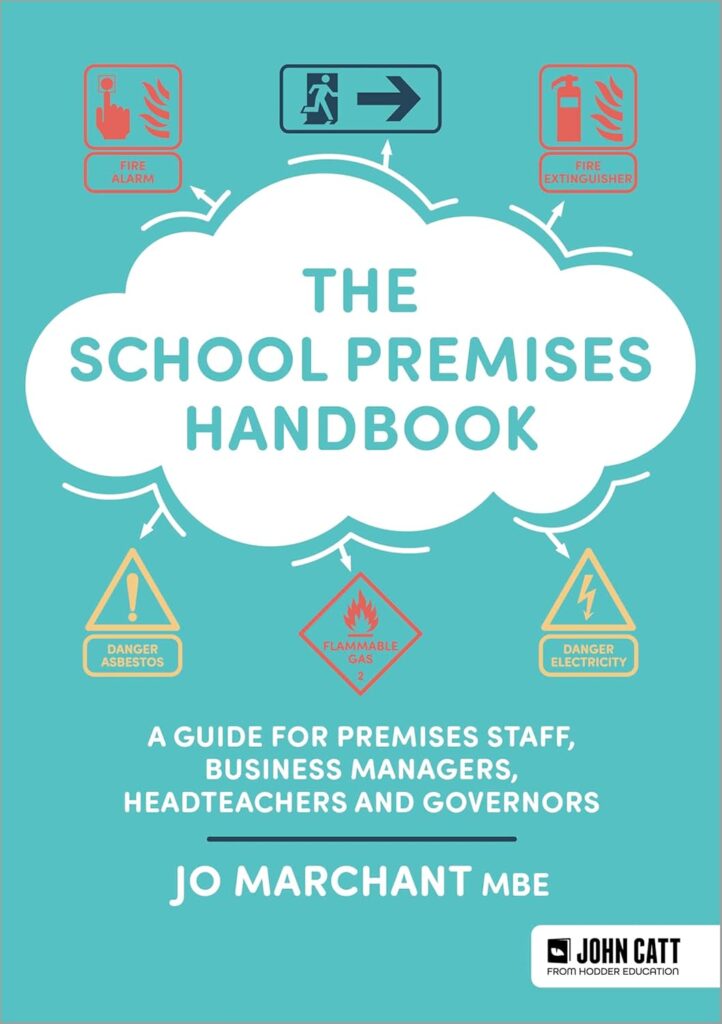
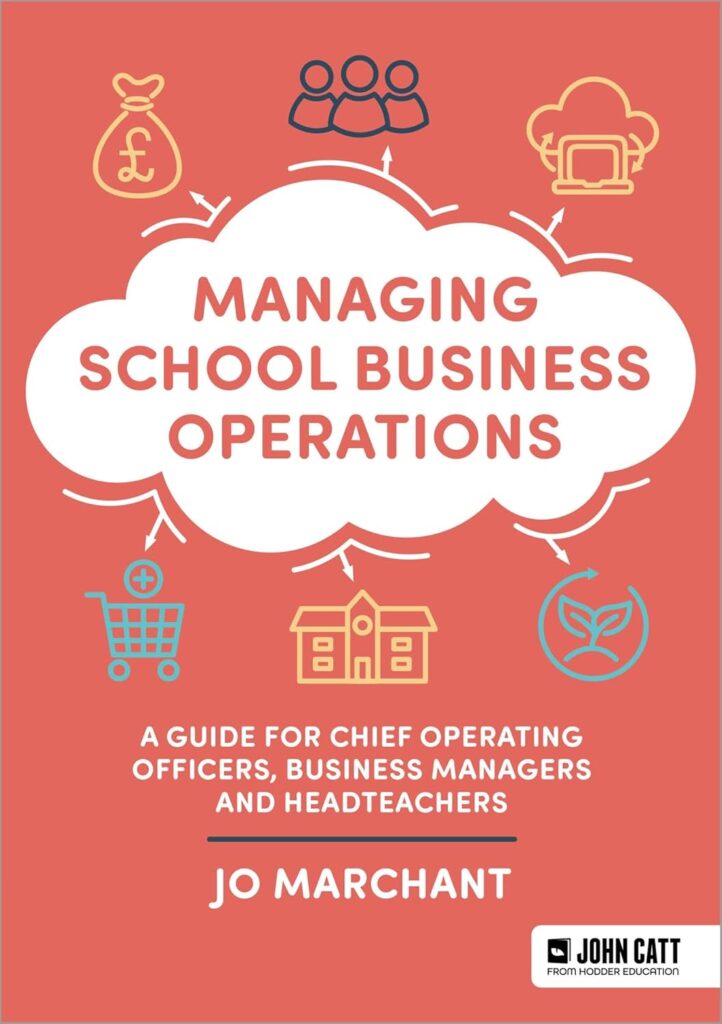
For further reading on effective school estate and business management, we recommend The School Premises Handbook and Managing School Business Operations by Jo Marchant MBE. These essential guides provide practical insights into managing school buildings, ensuring compliance, and optimising resources. Whether you’re responsible for estates strategy or school operations, these books offer valuable expertise to support informed decision-making.
Both books are available from Amazon:
Frequently Asked Questions
The estate management strategy of a school brings together the policies, procedures and plans for effectively managing the school’s land, buildings and other physical assets to support its educational mission.
Strategic estate management is the practice of taking a comprehensive, long-term approach to managing a school’s property portfolio and built assets as a strategic resource to enable the delivery of educational services effectively and efficiently.
An asset management plan for schools is a documented strategy that outlines how a school’s physical assets (buildings, equipment, land etc.) will be managed, maintained and upgraded over their lifecycle to maximise their value and support the school’s objectives.
A School Estate Manager is responsible for overseeing or managing an estate and its facilities. The Estate Manager aims to provide pupils, staff and visitors with facilities and services of the highest standards possible within the budgetary constraints.